Navigating the Second Attempt: How Eviction Notice Posting Works in Minnesota
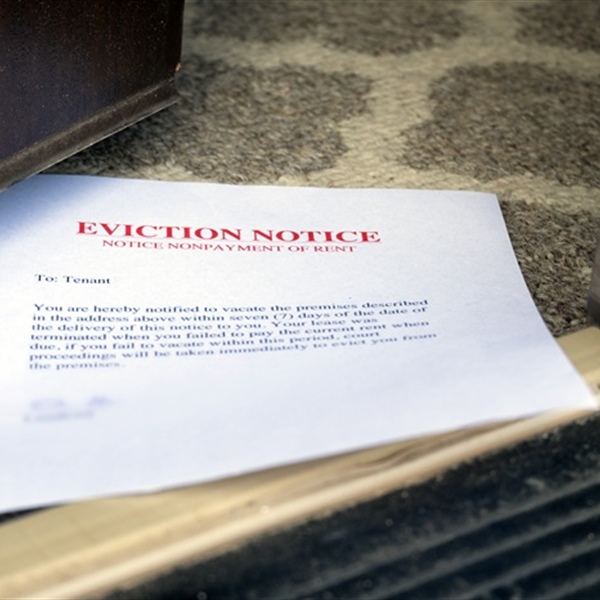
For property managers, landlords, and real estate law firms, filing an eviction in Minnesota is a race against the clock. A common point of anxiety in this process is the fear that an evasive tenant will actively hide or avoid a process server, dragging out the timeline and costing the property owner thousands of dollars in rent.
Minnesota’s housing law has a built-in mechanism to prevent bad tenants from stalling the legal system. In this state, an eviction file is never returned as “unserved” simply because the tenant refuses to open the door. When personal delivery fails, professional process servers handling evictions switch to a strictly regulated mechanism: Service by Mail and Posting.
Quick Facts: The Minnesota Posting Rule
-
The “Never Unserved” Reality: Tenants cannot stall an eviction by dodging personal service. Minnesota law provides a clear alternative path to complete the service.
-
The Two-Attempt Mandate: A process server cannot just knock on a door once, not an absence, and immediately tap the eviction summons to the entryway.
-
The Twilight Rule: At least one of these physical attempts must occur during prime evening hours of 6:00 pm and 10:00 pm.
-
The Resolution: If personal delivery fails after these parameters are met, the server legally posts the documents to the unit door and files a conclusive affidavit with the court.
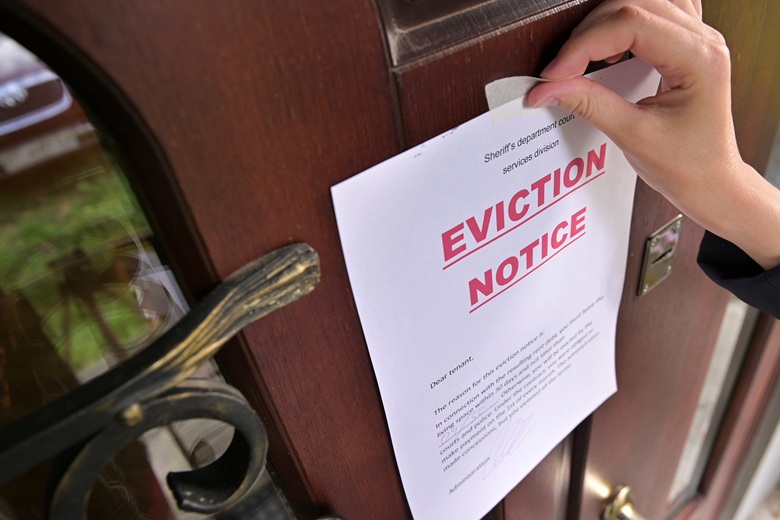
The “Second Attempt”: Minn. Stat. § 504B.332
When personal service cannot be completed, Minnesota Statute § 504B.332 dictates the exact procedural steps required to legally execute a “nail and mail” posting. To withstand judicial scrutiny in housing court, a professional process server must execute the transition flawlessly.
-
Attempt 1: Personal service attempt.
-
Attempt 2: Personal service attempt on a different calendar day, with at least one attempt occurring between 6:00 PM and 10:00 PM.
-
The Pivot: If both attempts are unsuccessful, the process server may proceed with posting, and the plaintiff or plaintiff's attorney completes the required mailing
The Two-Attempt Rule
A process server cannot just knock on a door once, note an absence, and immediately post the eviction summons to the entryway. The statute demands a minimum of two separate personal service attempts conducted on completely different calendar days.

The Evening Hour Mandate
To ensure the tenant is given a genuine opportunity to receive the court papers, Minnesota enforces a strict time parameter: at least one of the physical service attempts must be made between 6:00 pm and 10:00 pm. This stops landlords or corner-cutting servers from purposely dropping by only during standard working hours when a tenant is virtually guaranteed to be gone.
The Resolution: Executing Mail and Posting
Once a professional process server satisfied the two-attempt requirement, the eviction action shifts to alternative service methods. This ensures the tenant is legally served and the housing court date stands, completely eliminating the possibility of an unserved return loop.
Step 1: Affidavit of Plaintiff
Before service by posting and mailing can be used, the landlord or the plaintiff's attorney must execute an Affidavit of Plaintiff stating that the defendant cannot be found or is not in the state of Minnesota.
Step 1: The Physical Posting
The process server returns to the property and securely attaches a copy of the Summons and Complaint to the main exterior entry of the individual residential unit. In a multi-family apartment building, this means the document goes directly onto the door of the tenant’s individual unit, not the building’s main lobby entryway.
Step 2: The Concurrent Mailing
At the same time, the landlord or their legal counsel must send another copy of the eviction paperwork to the tenant’s last known address via first class mail.
Step 3: The Filing Checklist
For the court to honor the service at the initial hearing, all components–the mailing, the physical posting, and the prior service attempts, must be fully completed no later than seven days before the court appearance.
The server then signs and e-files a specialized Affidavit of Service by Mail and Posting. This document acts as a legally sufficient proof that the tenant has been properly notified, moving the legal file forward to default judgement if the tenant fails to appear.
Electronic Communication Requirement
There was a recent addition to Minnesota's eviction statute that process servers must be aware of.
Under Minn. Stat. § 504B.332, Subd. 2(b), if the plaintiff (or the plaintiff's attorney or agent) regularly communicates with the tenant electronically (email, text message, tenant portal, etc.), they must make a good-faith attempt to electronically notify the tenant of the scheduled eviction hearing.
The notice must:
-
Be sent at least seven days before the hearing
-
Include the hearing date, time, and location exactly as stated in the summons
-
Be sent using the same electronic communication method regularly used between the parties
-
Include a date and time stamp
Additionally, when service is completed by mail and posting, the Affidavit of Service must state either:
-
The date and manner in which the required electronic notice was sent, OR
-
The plaintiff does not regularly communicate electronically with the defendant and does not have an electronic address for the defendant.
Ensure Your Eviction Moves Forward with Pro Legal MN
Don’t let your uncooperative tenants stall your property rights. Ensure your legal documents are executed with accuracy and timeliness. Trust your service of process needs to Pro Legal Support Services. We have decades of experience handling eviction notices.
To move forward with an eviction, request service online today!